Professor Stephen Harrison is one of Britain’s foremost classicists, and Professor of Latin Literature at Oxford University, where he has taught since 1987. A fellow of Corpus Christi College, his research spans the poetry of Virgil and Horace, the Roman novel, and the reception of classical literature across the centuries. He is the author of countless books and articles, and you could hardly find anybody more qualified (or enthusiastic!) to talk about Latin.
A recent interviewee — Sir Alexander McCall Smith — put us in touch, and Professor Harrison very kindly agreed to be interviewed over tea at 16th century Corpus! He talks about what makes Virgil and Horace the greatest technicians in Latin poetry, how fairytales like Cinderella and Beauty and the Beast trace their roots back to a Roman novel, and what the Victorians quietly edited out when they held Horace up as a moral exemplar. Whether you're a seasoned classicist or just starting out, I promise you'll come away having learned lots — I certainly did. Enjoy!
LB: You’ve devoted your life to researching, and teaching, all aspects of Latin literature: different genres, from the epic poetry to the ancient novel; time periods, from Augustan Rome to the 19th century; and approaches, from commentaries to your own translations. What sparked your passion for classics all those years ago, and Latin in particular?
SH: When I was young, what I was interested in was the past — history — and the classics came about almost by accident. Ironically, at school we had to choose between doing Greek and history. I was at school, I did Greek, which is pretty amazing now. So if I wanted to do Greek, I couldn’t do history.
I discovered at school that I was good at languages and I think that’s what pushed me towards classics — because in those days at my kind of school, classics meant Latin and Greek and not much thinking about the ancient world. So it was kind of accidental. I’ve always been interested in the past and history. I suppose that’s the root of it.
But I think academically I got into it because I was reading about languages. I did French. I almost did classics and modern languages because I really did love French, and my French is still quite good.
At school I had to study Latin and Greek, and at Oxford, in my time, you had to study both in equal amounts. I felt more at home with Latin because it was less difficult than Greek at school, because you were starting from a higher base.
I think also it’s about the past, it’s about communication with the past in a kind of European context. The past is mostly in Latin, not on the whole in Greek.
I like Greek: I love Homer, and the great Greek poets, and so on. I used to teach Greek fairly regularly, especially Greek tragedy, which I particularly liked along with Homer. But I suppose I got interested in the culture of the Romans and how weird they were, not like us. Although of course people used to say we’re based on the Romans but they’re very different, thank god we are not the same!
LB: Do you have a favourite classical scholar, somebody whose approach or writing you particular admire?
SH: Gosh, there are so many. Well, I was trained by Robin Nisbet who co-wrote the commentaries on Horace, Nisbet and Hubbard, and I think he was a good role model because he was thorough and he was careful and he was enthusiastic about what he liked but he wasn’t — he wasn’t gratuitously rude to people. Sometimes in the history of classical scholarship you have the figure of Housman. You get people who are very good at being rude and discourteous to people in academic argument. He was the opposite of that. I think that was very good training for me. I was a bumptious young man, and I could have gone that way, I suppose. He taught his students to be respectful. He was a good scholar, and he did the work. Sometimes there are people in scholarship who like to show off and don’t do the work — he was not like that. So I think, yes, certainly looking back on the people who influenced me, he’s someone I admire.
Further back, lots and lots of people in the Renaissance had some extraordinary capacity. Richard Bentley, the Master of Trinity, you will have heard of. I think he was a brilliant scholar but an unfortunate human being. He was one of the people who started the being rude to people, which you’ll probably know if you know much about him. But a very brilliant scholar. And his capacity to tell that there was something wrong with a text, like Housman, was really extraordinary. That comes from knowledge, really. It comes from knowing what should be there. And there is a certain kind of temperament that makes you go for it, which he certainly did. But yes, I certainly admire him.
And I admire Housman in his way, but I think as a model, Robin is the kind of person that I would look to. And he was good at supporting people. I think being a classicist is not just about doing your own work, it’s playing a role in the ecology of classics. He was good at that, helping people, making things happen. I’ve always tried to do that as well as do my own work. In fact, in some ways that’s what’s more important, because your own work will last 10, 20 years, but what you help other people to do will last longer. And as I get older, I think that’s more important.
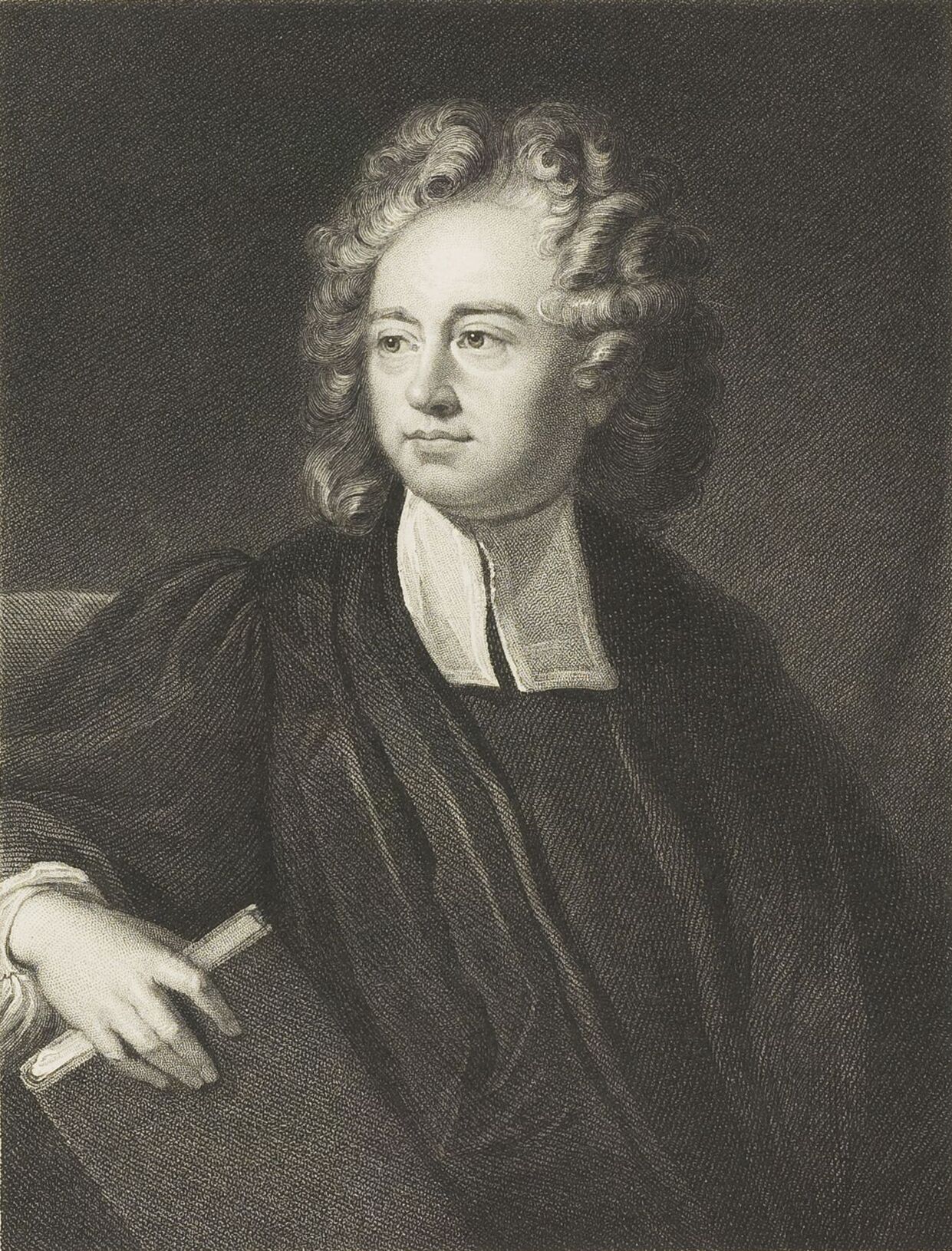
LB: Much of your research explores classical reception, how later societies have responded to Latin and Greek texts. It’s a topic I knew nothing of, before writing an extended essay for school last year looking at the influence of Homer’s Odyssey on Joyce’s Ulysses — and it was fascinating uncovering all the hidden parallels. You’ve focused, in particular, on the Victorian reading of the poet Horace. I can imagine he appealed to the upper-class taste, with all his Augustan morality. But his work also contains a great deal of sex, pederasty, etc. How did Victorian readers navigate that?
SH: Mainly by ignoring it and by editing it out. And that’s something else I’ve been interested in, expurgation. So they would change, for example, in male love poems, they’d change the gender. And yes, avoiding the bits that the Victorians couldn’t cope with. There wasn’t much done on the epodes in the Victorian age, which are the really naughty poems of Horace. So yes, expurgation was certainly a strategy, and modifying it to the cultural taste of the Victorians.
But that’s really what reception is about, isn’t it? It’s about how the classical model is transformed for the consumption of a later readership. And you learn a lot about the later society by what they do with Latin texts. The bits that they pick, the bits they don’t pick. I used to say to my students, horses for courses, why do they pick the bits that they do? And the answer is, presumably it relates to something that they feel is important. And what the Victorian middle classes thought was important was social status, which I think we’ve moved away from a bit, which I applaud. So it’s partly trying to unpack unfortunate ideas about what their elite is.
I think they were self-conscious when doing it — it’s a society where you edit for public consumption from day one. You go to church, you say the right things, you go to the right school, you study the right things, and so on. There’s not much freedom of choice. And I think they internalised those values so much that they simply operated them when they read their Horace. At least when they published about reading their Horace, because schoolboys have always looked for the naughty bits, I’m sure.
But when you come to make a public statement as an elite member of British middle class society, then you say what society expects. And we still do that, in a way, with modern liberal values now — at least they’re much better values than Victorian values — but they’re values that we feel we need to pay at least lip service to.
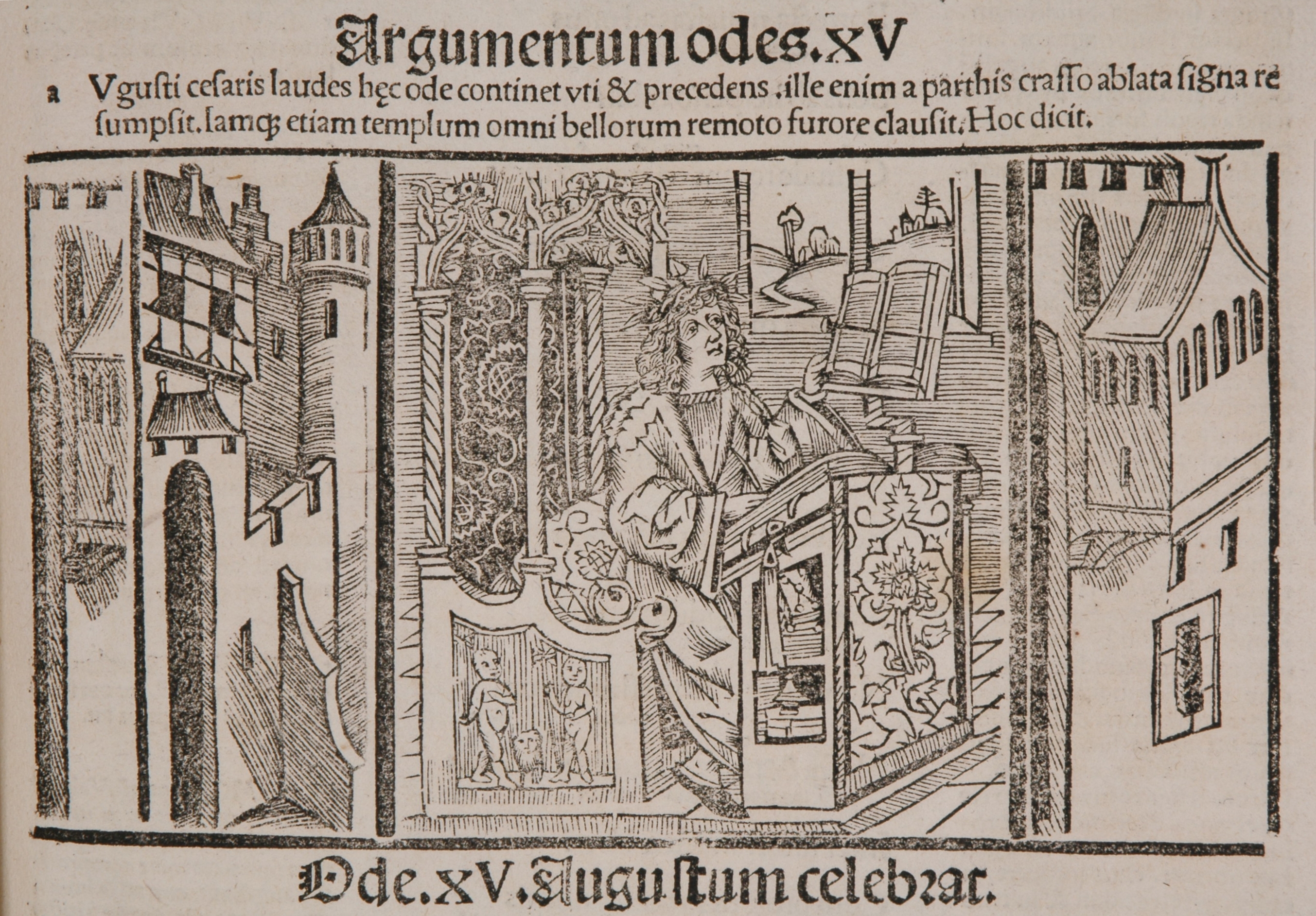
LB: I’m particularly interested in your work on Roman novels. I hadn’t come across them in Latin at school (it’s all poetry and history), and we only mentioned them in English when comparing Trimalchio in Petronius’ Satyricon to Gatsby in Fitzgerald’s The Great Gatsby. So I’m wondering: what excites you most about the genre, and do you think they’ve been unfairly overlooked?
SH: Well, until the 1980s they certainly were and, when I was young, I was part of a generation that tried to create more interest in them with some success. There’s a lot more interest in the ancient novel now. I think they are very fascinating. Petronius is obviously problematic because it’s very messy in transmission. We have the Cena Trimalchionis, Dinner of Trimalchio, which is a more or less separate episode. With Apuleius, you’ve got the Cupid and Psyche episode, which is a bit similar, kind of separate story by itself. But no, I think they’re extremely interesting and they’ve also had a great influence on Western literature, not just Petronius and Fitzgerald, but particularly Apuleius’ stories.
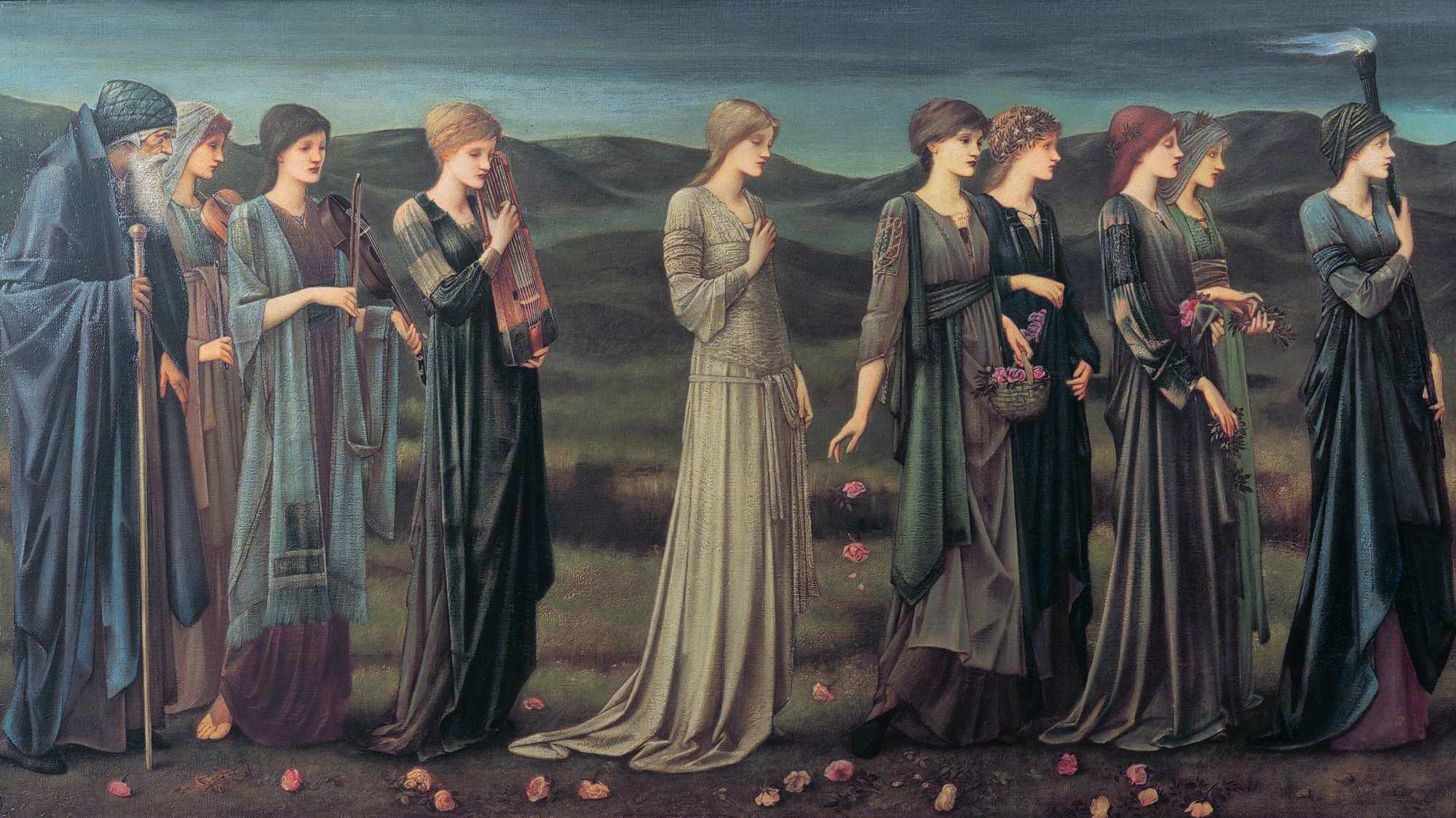
I spent some years working on a book on the influence of the Cupid and Psyche story, and it turned out to be very interesting indeed. For example, fairy stories, as they come to us, really through the French 17th century, ultimately ended up back in Cupid and Psyche. So Psyche is the nice sister, and she has two nasty sisters. Where does that come from? It comes from Cinderella. In other words, Cinderella is getting it from Cupid and Psyche, possibly through an Italian source. There are many examples. Beauty and the Beast, for example, the teapot that comes alive and all that in the Disney film — this basically goes back to Cupid and Psyche. So I think that in particular has had a huge influence on Western culture.
Some other novels have too. Daphnis and Chloe — it’s a wonderful suite by Ravel. All sorts of other things. Lots of stuff in art. Particularly Daphnis and Chloe is huge in art. So again, I think what attracts me is that it’s a central part of European cultural history. I wrote this book with a colleague and we ended up doing all sorts of things — opera, art, not just literature, poetry, all sorts of things. Even Alice in Wonderland — there are elements in that story which look like Cupid and Psyche. After 40 years of being a conventional classicist, I can now do some more funky stuff, which is great fun.
LB: I’m aware that our modern novels have a complicated history, and might not owe everything to their Greek and Roman counterparts. But did the structure of the Roman novel influence later literature as well?
SH: Yes, to a degree. So the idea of, for example, the embedded tale, like A Thousand and One Nights, the frame of narrative which contains other narratives, that at least partly comes from Petronius and Apuleius, and you can see novelists adopting that.
The other fun thing about Cupid and Psyche is it’s just about the only story in antiquity where a woman is the heroine and doesn’t get killed. She becomes a goddess. That’s pretty unusual. You think of what happens to the women in Virgil and Ovid, for example. So I really enjoyed doing that. That was fun.
And you can see how it’s going right through to modern days in various ways. To young adult novels, for example — this is my collaborator’s thing — but there are lots of young adult novels which partake in this Psyche story because it’s the story of a young woman coming to maturity, really. And that’s what YA novels are about. So that I found really great.
That’s what really excites me now. Trying to do the longue durée. How do these classical things carry on into later times, whether it’s the early modern period or the 21st century, through translations. I’m interested in modern translations of all these poets. I have had some contact with modern poets and it’s really fun working with people who are still alive, working with their texts. It’s very interesting doing that.
LB: As a scholar, you’ve written plenty of serious commentaries too — books every classics student uses to navigate texts — including on Neo-Latin, composed long after the fall of the Roman Empire and the language’s heyday. I wondered what that process looks like for you, where you start and what you prioritise?
SH: Well, you have to do the grunt work, as it were. You sit down with your line and you do the searches. In the case of these Neo-Latin works, I’m really looking to see what they’ve been doing with the classical poets. My first question was to say, well, are they reworking, interestingly, Latin poets? And this used to be why Neo-Latin wasn’t thought very worthwhile, because they were just reworking that in parts. But if you take that back, this is what Ovid is doing with Virgil, this is what Virgil is doing with Homer. And the intertextual revolution of the 80s and 90s, when I was young, really kind of made that a creative principle. It’s not just that you’re moving the pieces on a chessboard, you’re actually creating a work of art. And if you like Milton, you’ll know what I mean, that Milton is using a lot of sources, but he’s using them to create a really interesting story.
So for me, it’s trying to get down to these micro-elements and work out how they contribute to the macro-effect. That’s the hard thing to state, really. But I suppose if I’ve chosen to do a commentary on a text, it’s because I think that text is good and worthwhile. I want to prove why that text is good and worthwhile. And the way to do that is to show how rich it is. So literary texture — that’s my thing. What I’m interested in is literary texture. How does a work achieve a richness in its diction and thought too?
But in order to do that, you have to try and get inside the cultural world of the text. So you have to try and see how it worked. We can never get inside the mind of the author, but we can get inside their culture, and we can get inside their visual culture. So if they’re alluding to a work of art, we can look at real works of art and say, yes, that’s the kind of thing that he’s thinking about. It’s not the same as reconstructing the intentions of the poet, which are ultimately unknowable, but we can say that some things are more probable than others. So Milton can be referring to a telescope, but he can’t be referring to a nuclear weapon because they didn’t exist in the 17th century. There are some things we can judge like that.
I guess I’m interested in readers rather than writers, because we can’t get inside the writer’s head but we can reconstruct what the readers might have felt originally. When I’m doing Virgil I’m interested in what I think, but I’m also interested in what Romans might have thought, and often the difference between the two, where the ideological values are very diverse. So nationalism and promotion of war and so on are positive for the Romans but not always for us, and that’s an interesting tension.
When you’re dealing with someone like Milton thinking about Virgil, you’ve got three stages — you’ve got you, you’ve got the 17th century, and you’ve got antiquity. And that’s what I find particularly interesting with the Neo-Latin, because here they are — for example, you get someone like Buchanan doing Virgil with Christianity. The biggest cultural change probably between antiquity and pagan antiquity and the early modern world was the triumph of Christianity. How do you negotiate that, like those naughty bits of Horace? I find that particularly intriguing.
Yes, it’s that idea about readership — some various original readership, one’s own readership. I suppose that’s what commentary is about, trying to reconstruct those effects. Because they don’t work unless they work for the reader.
LB: A fun question to finish: if you could have dinner with any three Latin writers or poets, who would you invite, what would you eat, and what would you talk about?
SH: It would have to be Virgil, Horace and Apuleius, because they are the ones I’ve spent most time with over the last 50 years or so.
Virgil — I would want to talk about his politics and what his views really were, because it’s such an interesting combination. What did he really think about Augustus? I’d really like to know that. That would be fascinating. With Horace, I think I’d like to know what his real philosophical views were, because was he really an Epicurean? How far did he — again, partly politics, how far did he believe in stoic national values? And for Apuleius, I’d like to ask him how much truth there is in his speech of self-defence, the Apologia, where he defends himself against various charges, with, I think, a certain amount of bullshit. It would be very nice to know what’s true and what’s not.
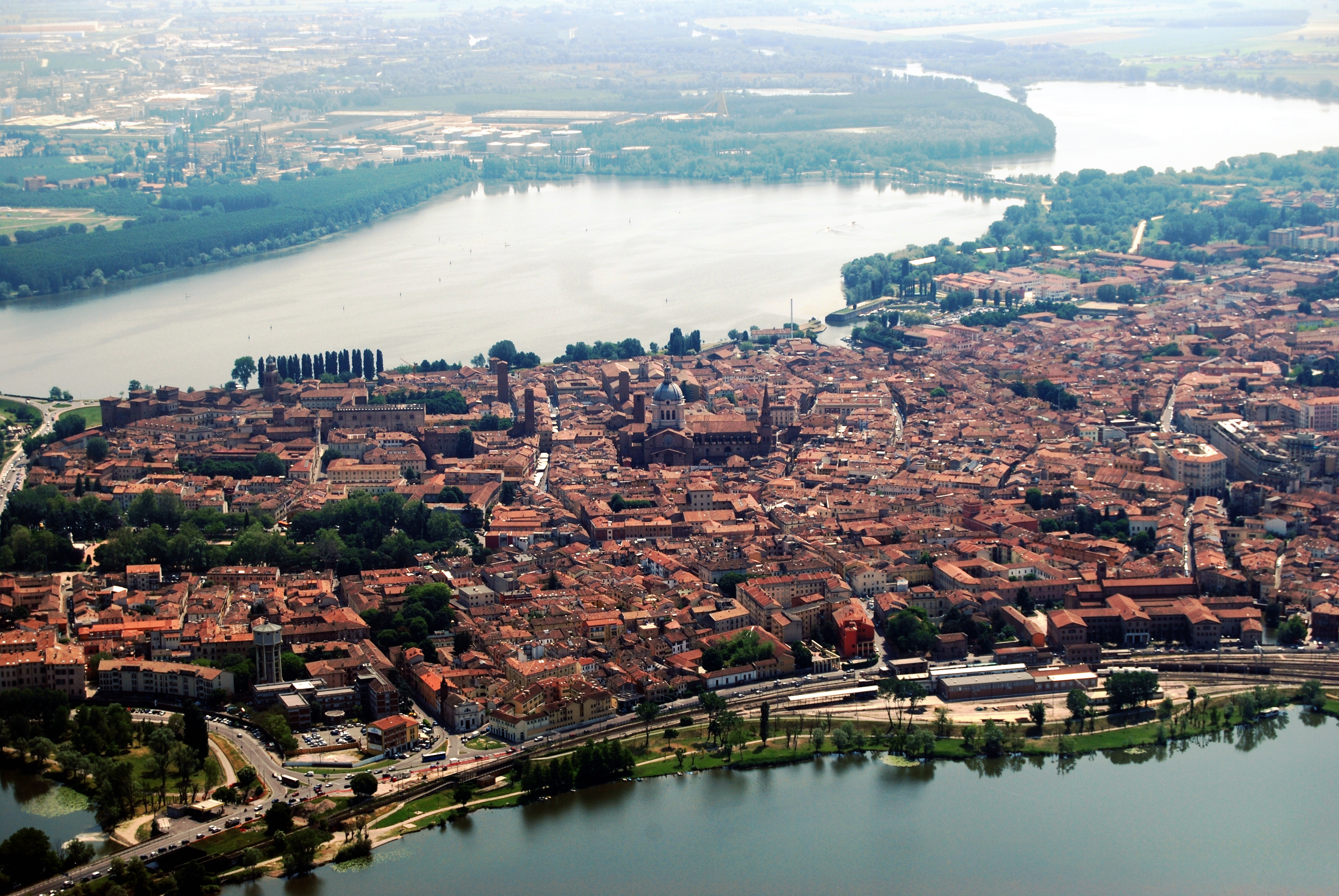
What would I eat? With Horace, one would have to drink, because wine was his thing. I suppose with Virgil I would like to eat nice Italian food — and Mantua where he came from has excellent restaurants, so I would like to go to one of the restaurants in the main square of Mantua — there’s now a very nice little Virgil museum in the suburbs of Mantua, which I went to. With Apuleius, because he came from North Africa, I think you’d have to eat couscous. Or something like that, which I do. Good, basic Parisian street couscous with sausages.